Farmhouse Cow Patchwork: A Designer's Review
As a designer who spends more time staring at stitch maps than most people spend watching television, I approach every new machine embroidery design with a healthy dose of skepticism. We have all been there: you buy a file based on a pretty thumbnail, only to find out the stitch density is a nightmare or the details vanish once the thread hits the fabric. That is why I took a close look at the Farmhouse Cow Patchwork 20oz Tumbler Wra. While the title suggests it is intended for sublimation or printing on Tumbler Wraps, my immediate instinct was to evaluate its potential as a source file for physical embroidery projects. Can this graphic translate into a tangible, stitched handmade product? Let's dig into the practical realities of using this asset in a real-world craft business.
First Impressions: Mood and Visual Personality
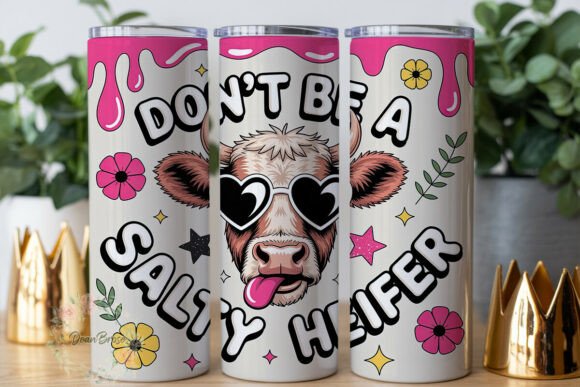
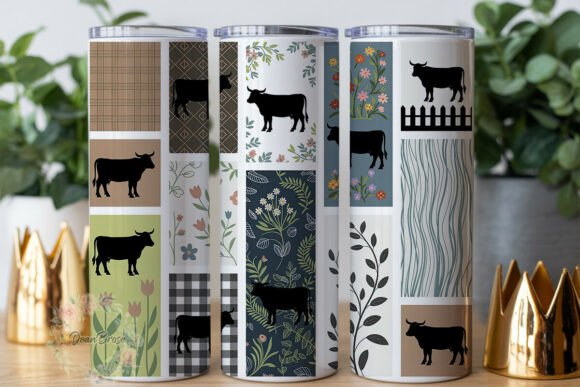
The first thing that strikes me about the Farmhouse Cow Patchwork 20oz Tumbler Wra is its undeniable charm. The "patchwork" aesthetic immediately evokes a sense of nostalgia, warmth, and rustic comfort. It feels like something you would find in a cozy country kitchen or a boutique nursery. The layout, spanning dimensions of 9.3″ x 8.2″ at a high resolution of 300 DPI, offers a substantial canvas. For an embroiderer, this size is generous. It suggests that the original artist included significant detail, which is a double-edged sword. On one hand, it allows for rich texture; on the other, it demands careful planning regarding stitch density and fabric choice.
The visual personality here is playful yet sophisticated enough for adult apparel. It avoids the trap of looking too juvenile, which makes it versatile. Whether you are aiming for a whimsical baby embroidery project or a trendy graphic for a grown-up's sweatshirt embroidery, the theme holds up. The patchwork style implies a mix of patterns and textures, which translates beautifully into embroidery through the use of varied fill stitches and perhaps even actual fabric appliqué.
Real-World Application: From Screen to Stitch
Let's move away from theory and talk about a specific scenario. Imagine you run a small shop selling custom home goods. You want to create a line of kitchen towels and tote bags for the upcoming holiday season. You need a design that screams "farmhouse chic" without looking generic. This is where the Farmhouse Cow Patchwork 20oz Tumbler Wra could shine, provided you adapt it correctly.
Since the purchase includes PNG files for straight and tapered tumblers, you are starting with a raster image, not a native embroidery file. This is a crucial distinction. To use this for a tote bag design or an embroidered patch, you will need to digitize it or use auto-digitizing software with extreme caution. The high resolution (300 DPI) is a massive plus here. It means the edges of the cow spots and the patchwork seams are crisp, giving your digitizing software clear data to work with. If this were a low-res web graphic, the resulting stitches would be jagged and undefined.
For a custom apparel project, such as a denim jacket or a canvas apron, the patchwork theme invites creativity. Instead of just stitching flat fills, you could interpret the "patches" as actual fabric pieces in an applique design. You could cut different gingham or floral fabrics to match the sections of the cow, then use a tight satin stitch or a decorative running stitch to secure them. This approach elevates the finished product from a simple print-like embroidery to a textured, high-value item that justifies a higher price point on Etsy or at a craft fair.
Navigating Technical Challenges
However, we must be realistic about the hurdles. The Farmhouse Cow Patchwork 20oz Tumbler Wra was likely optimized for printing, where ink behaves differently than thread. When translating this to embroidery, several factors require your attention:
- Fabric Texture and Stability: The intricate details of a patchwork design can get lost on highly textured fabrics like thick terry cloth or loose-weave linen. For the best clarity, this design belongs on smooth, stable fabrics like twill, denim, or high-quality cotton canvas. If you attempt this on a stretchy knit without proper stabilization, the "patches" will distort, and the cow's features will warp.
- Stitch Density Management: A 9.3″ x 8.2″ design is large. If you fill every single patch with dense satin or fill stitches, you risk creating a stiff, cardboard-like patch that pulls on the garment. In a commercial embroidery setting, this leads to customer complaints about comfort. You must strategically reduce density in larger areas and consider using lighter fill patterns or leaving negative space to maintain the drape of the fabric.
- Small Hoop Limitations: Given the dimensions, this design will not fit in a standard 4x4 hoop. You will need a large hoop capability, likely 5x7 or larger. If you are working with caps or smaller items, you will need to scale the design down significantly. Be warned: shrinking a detailed patchwork design too much will cause the small corners and narrow lines to merge, turning your cute cow into an unreadable blob.
- Thread Color Contrast: The success of a patchwork look relies on contrast. When selecting your thread colors, ensure there is enough distinction between the "fabric" patches and the outlining stitches. Testing the design in black and white mockups before threading the machine can help you verify that the shapes remain distinct without relying solely on color.
Commercial Viability and Brand Consistency
For Etsy sellers and creative entrepreneurs, the question is always about value. Does this design help build a brand? Absolutely. The farmhouse aesthetic is evergreen, but it is also saturated. To stand out, your execution must be flawless. Using the Farmhouse Cow Patchwork 20oz Tumbler Wra as a basis for a unique holiday embroidery collection or a line of nursery decor can establish your shop as a go-to for rustic, high-quality goods.
The visual appeal of the final stitched item directly impacts customer trust. A clean, well-executed design signals professionalism. Conversely, puckering, thread breaks, or muddy details signal amateurism. Because this graphic is high-resolution, it gives you the raw material needed for a professional result, but the onus is on you to execute the digitization and stitching correctly. Remember, customers are buying the personalized gift or the small shop product, not the digital file itself. Their perception of quality is tied entirely to the physical stitch-out.
Practical Notes for the Studio
Before you commit this design to a client's expensive hoodie or a batch of boutique pillows, follow these steps:
- Test on Scrap: Never skip the test run. Use the exact fabric and stabilizer combination you plan to use for the final product. Check how the fabric reacts to the stitch count and density.
- Verify Licensing: The product description notes that watermarks are removed upon download, but it does not explicitly detail the commercial license terms for converting the PNG into an embroidery file for resale. Always confirm whether the creator allows derivative works (like digitized embroidery) to be sold as physical goods.
- Check File Formats: Since you are receiving PNGs, ensure you have the necessary software to convert these into a usable digital embroidery file compatible with your machine (PES, DST, EXP, etc.).
- Evaluate Washability: Products like kitchen towels and baby clothes undergo frequent washing. Ensure your stitch paths and tie-offs are robust enough to withstand laundering without fraying or unraveling.
In conclusion, the Farmhouse Cow Patchwork 20oz Tumbler Wra is a promising asset for the imaginative designer. While it arrives as a graphic intended for Graphics and sublimation applications, its high resolution and charming composition make it an excellent candidate for adaptation into high-end embroidery. With careful attention to digitization, fabric selection, and stitch management, this design can become the centerpiece of a successful craft business collection. It reminds us that with the right eye, a tumbler wrap can inspire a masterpiece on fabric.