Leopard Glitter 20oz Skinny Tumbler: A Designer's Review
As a designer who spends more time staring at stitch maps than most people spend on their phones, I approach every new digital embroidery file with a mix of excitement and skepticism. We have all been there: you download a stunning graphic, convert it, or purchase a pre-made design, only to find that the stitch density is too high for the fabric or the details vanish once the needle hits the cloth. Today, I am breaking down the Leopard Glitter 20oz Skinny Tumbler design. While the product listing categorizes this under Tumbler Wraps and Graphics, my job is to translate those visual assets into tangible, stitched reality for real-world projects.
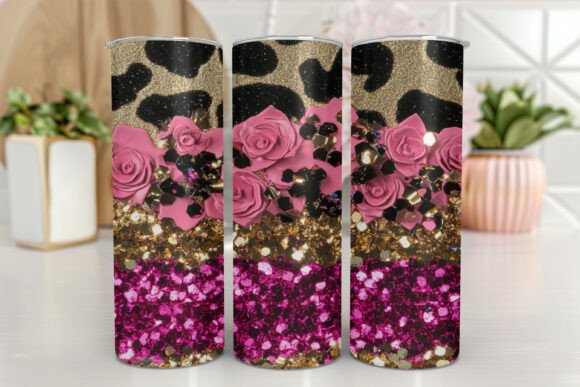
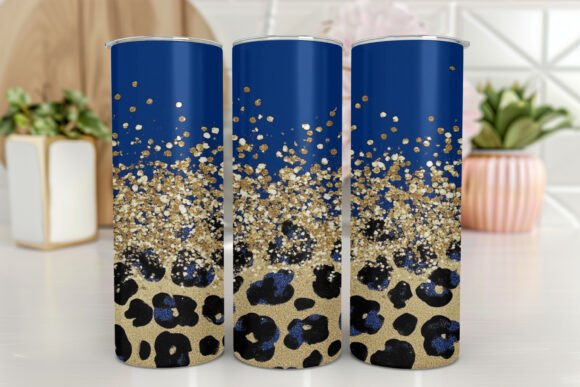
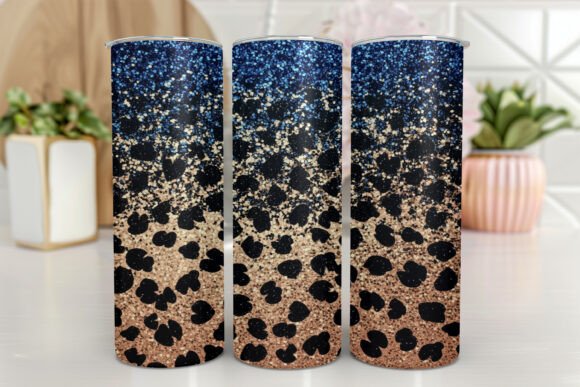
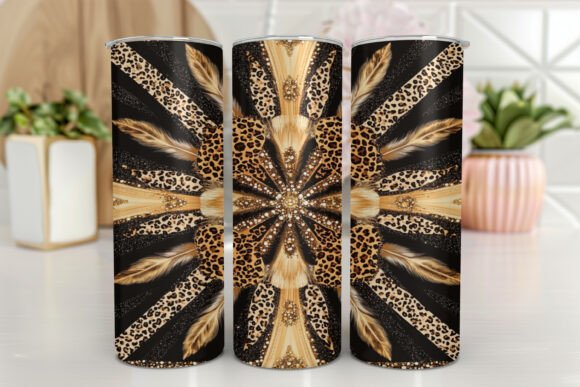
The first thing that strikes me about this design is its bold personality. The combination of a classic leopard print motif with a "glitter" effect creates a mood that is equal parts trendy boutique and playful luxury. Visually, it screams confidence. For an Etsy seller or a craft business owner, this is the kind of aesthetic that stops the scroll. However, translating a high-resolution 300 DPI graphic intended for a 9.3″ x 8.2″ tumbler wrap into a machine embroidery design requires careful consideration of how those glittery textures translate into thread.
Translating Graphics into Stitched Reality
When I look at the layout of the Leopard Glitter 20oz Skinny Tumbler, I immediately think about texture. In the digital realm, "glitter" is often achieved through sharp contrasts and sparkling overlays. In embroidery, we achieve this through a strategic mix of satin stitch for definition and varied fill stitch angles to mimic that shimmering light reflection. If you are planning to use this as a base for a custom project, do not just slap it onto any fabric. This design demands a canvas that can support its visual weight.
I recently envisioned using this motif for a high-end tote bag design. Imagine a heavy-weight canvas tote where the leopard spots are stitched with a metallic or variegated thread colors scheme to replicate that glitter effect without actual plastic glitter, which can be messy and prone to shedding. The result would be a sophisticated handmade product that feels durable yet fashionable. The large scale of the original graphic (over 9 inches) means you have plenty of room to work with, allowing for a statement piece on a sweatshirt embroidery project or a large decorative pillow cover.
Real-World Application Scenarios
Let's get practical. Where does this design actually shine in a commercial or personal setting? I see immense potential for holiday embroidery gifts, particularly for the fashion-forward friend who loves animal prints. Picture this: a cozy, oversized fleece throw blanket featuring this leopard pattern as a central medallion. The softness of the fleece combined with the structured stitching of the design creates a beautiful tactile contrast.
For small shop product lines, consider applying this to home decor. A set of kitchen tea towels or a stylish apron for the modern baker could feature a scaled-down version of this graphic. The key here is adaptation. Since the original files are packaged as high-res graphics for tumbler wrapping, you may need to digitize them yourself or ensure you have the correct embroidery file formats for your machine. If you are selling design assets, offering this as a printed heat transfer paired with embroidered accents could be a unique hybrid product.
Another strong contender is baby embroidery, though with caveats. A nursery throw or a personalized name banner could utilize the softer tones of the leopard print if the color palette allows. However, always prioritize safety and comfort for infant items, ensuring no scratchy threads are left on the reverse side.
Technical Considerations and Fabric Choices
Here is where experience matters. The "glitter" aspect of the Leopard Glitter 20oz Skinny Tumbler implies a certain level of detail and potentially dense stitching to create that solid, shiny look. When working with textured fabrics like pique polo shirts or waffle knits, high-density fills can cause puckering. My advice? Always test the design on scrap fabric first. Check how the stabilizer holds up under the weight of the design. For stretchy fabrics like t-shirts or baby clothes, a cut-away stabilizer is non-negotiable to prevent distortion after washing.
Be cautious with dark fabric backgrounds. While leopard print often pops against black, ensure your thread colors have enough contrast. If the design relies on subtle shading to create the "glitter" illusion, it might get lost on a charcoal or navy background. Conversely, on light fabrics, ensure the underlay stitches are sufficient to prevent the fabric grain from showing through the fill areas.
Also, consider the hoop size. The original dimensions are quite large (9.3″ x 8.2″). Not every home embroidery machine can handle a hoop of that magnitude in one go. You may need to split the design or use a larger commercial frame. If you are attempting to apply this to curved surfaces like caps, the large flat area of the design will not work well; it is best suited for flat panels like the front of a tote, the back of a jacket, or a square pillow cover.
Enhancing Brand Value and Customer Trust
In the world of commercial embroidery, consistency is king. Using a cohesive design like the Leopard Glitter 20oz Skinny Tumbler across different products can help build brand recognition. If you run a boutique that specializes in bold, trendy accessories, this graphic becomes part of your visual identity. Customers begin to associate that specific leopard style with your brand quality.
Furthermore, the perceived value of a finished product increases when the stitching is crisp and the design choice feels intentional. A sloppy application of a complex pattern can cheapen the item, but a well-executed version signals professionalism. This builds customer trust, encouraging repeat business and positive reviews. For printable mockup creators, having a realistic representation of how this design looks when stitched can significantly boost sales of digital previews.
Final Designer Notes for Success
Before you commit to production, keep these practical steps in mind:
- Verify Licensing: The product notes state this is for digital files only. Confirm whether the license allows for commercial use of the stitched finished goods before selling them on Etsy or at craft fairs.
- Check Thread Contrast: Run a black-and-white test stitch-out. If the details disappear in grayscale, adjust your thread choices for better definition.
- Review Stitch Density: If the design feels too stiff after stitching, reduce the fill density in your editing software to improve drape, especially for apparel.
- Inspect Small Details: Look closely at the edges of the leopard spots. Ensure there are no tiny, isolated stitches that might pull out during the first wash.
- Fabric Compatibility: Avoid using this on very thin or sheer fabrics unless you use a heavy-duty topper and stabilizer combination.
The Leopard Glitter 20oz Skinny Tumbler design offers a fantastic foundation for creative entrepreneurs willing to put in the technical legwork. It bridges the gap between digital trendiness and tactile craftsmanship. Whether you are creating a personalized gift for a loved one or expanding your custom apparel line, this design has the visual punch to make an impact. Just remember, the difference between a good product and a great one lies in the preparation, the stabilizer, and the respect for the materials you choose to stitch upon.