Review: Floral Medical Device 20oz Tumbler Wrap
As a designer who spends more time staring at stitch maps than most people care to admit, I approach every new digital embroidery file with a mix of curiosity and skepticism. We've all been there: you buy a stunning graphic online, only to realize once it's loaded into your software that the density is all wrong for the fabric you intended to use, or the details are too fine for a standard hoop. Today, I'm taking a close look at the Floral Medical Device 20oz Tumbler Wrap. While the product listing categorizes this under Tumbler Wraps and Graphics, my job is to translate those high-resolution PNGs into tangible, stitched reality for real-world projects.
First Impressions: Mood and Layout
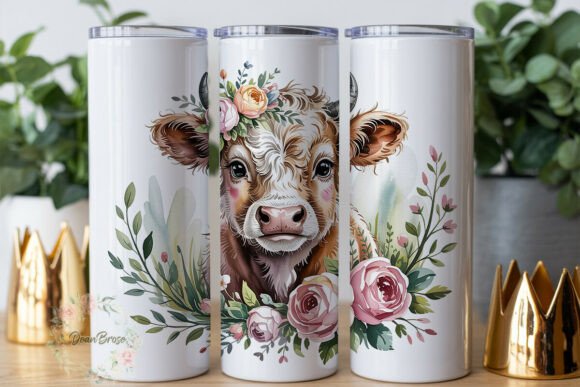
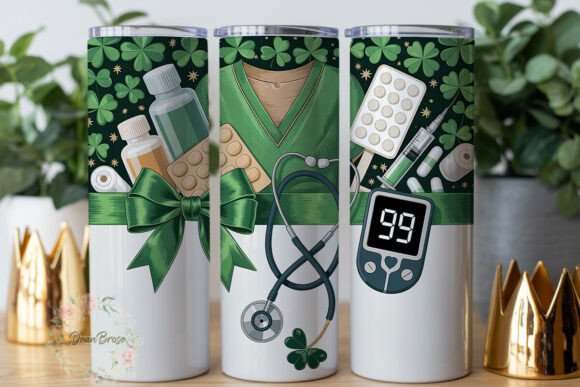
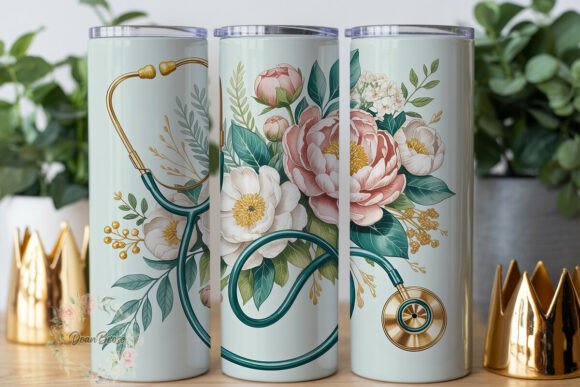
When I first pulled up the files, the immediate impression was one of clean, professional utility mixed with softness. The theme strikes a balance that is often hard to achieve in medical-themed designs; it avoids being overly sterile while maintaining the clarity needed for professional identification. The layout, spanning dimensions of 9.3″ x 8.2″, suggests a wrap-around capability that is generous. For an embroidery context, this doesn't mean we are stitching a full wrap on a tumbler, but rather that we have a large, versatile canvas to work with. The floral elements soften the "medical device" aspect, making it approachable for nurses, technicians, and healthcare administrators who want to personalize their gear without looking unprofessional.
The visual personality here is key. It feels modern and boutique-ready. If you are an Etsy seller or run a small shop product line, this design has the potential to elevate a basic item into a premium handmade product. The resolution is listed at 300 DPI, which is excellent for digitizing. It gives me enough clarity to trace paths for satin stitch borders or determine where a fill stitch might be too heavy for a lightweight fabric.
Real-World Application Scenarios
Let's move beyond the screen and talk about where this design actually lives. I recently had a request from a local nursing cohort wanting matching gifts for their graduation. They didn't want cheap plastic badges; they wanted something durable. This is where the Floral Medical Device 20oz Tumbler Wrap shines as a source asset. Even though the original intent is sublimation or printing, as an embroiderer, I see this as the perfect template for a large embroidered patch or a chest emblem on a custom apparel piece.
Imagine taking the central floral motif and scaling it down slightly for a sweatshirt embroidery project. The organic shapes of the flowers would look beautiful rendered in soft rayon threads against a heather grey fleece. Alternatively, for a tote bag design, you could utilize the wider aspect ratio to create a horizontal band across the front of a canvas bag. This works exceptionally well for holiday embroidery gifts for healthcare workers—a personalized scrub cap or a dedicated lab coat pocket piece.
For those running a craft business, versatility is profit. You aren't just selling one item; you are selling a brand identity. Using this graphic as a base for baby embroidery items (think "Future RN" onesies) or nursery decor pillows allows you to target a niche market that is often underserved by generic big-box stores. The design assets provided allow you to create printable mockups for your online listings before you even stitch a single thread, helping you gauge customer interest.
Technical Considerations and Fabric Challenges
Here is the part where experience matters. Just because you have a high-res PNG does not mean it will stitch out perfectly on every material. When adapting the Floral Medical Device 20oz Tumbler Wrap for embroidery, you must consider stitch density. If you are digitizing this yourself based on the image, be wary of creating areas that are too dense, especially if you plan to use it on stretchy fabrics like performance scrubs or thin cotton t-shirts. High density can cause puckering and make the garment uncomfortable to wear.
You also need to think about your hoop size. The original dimensions are quite large. To use this on a standard home machine, you will likely need to resize the element significantly. Always check the smallest details after resizing. Tiny lettering or intricate petal tips can disappear or become a bird's nest of thread if scaled down too far without adjusting the stitch types. Switching from a complex fill to a simpler running stitch outline might be necessary for smaller applications like a cap or a collar tag.
Fabric texture plays a massive role here. On a textured towel or a waffle-knit blanket, fine details from the source graphic might get lost. In these cases, boldening the outlines and increasing the contrast between thread colors is essential. Conversely, on smooth broadcloth for a pillow cover or tea towels, you can afford to be more delicate. Always test the design on scrap fabric first. There is no substitute for a physical test run to see how the stabilizer interacts with the specific material you are using.
Enhancing Brand Value and Customer Trust
In the world of commercial embroidery, presentation is everything. A well-executed version of this design signals professionalism. When a customer receives a personalized gift or a piece of custom apparel that features crisp, well-digitized florals combined with medical iconography, it builds trust. It tells them that you care about the quality of the finished product. This attention to detail fosters buyer engagement and encourages repeat business.
However, caution is advised regarding licensing. The product description notes that you receive PNG files for straight and tapered tumblers. It does not explicitly state the license terms for converting these graphics into embroidery files for resale. Before listing this as a digital product or selling finished items on a large scale, you must confirm the licensing agreement. Some graphic designers allow personal use only, while others permit commercial use of the physical item but not the digital file itself. Protecting your craft business means doing this due diligence upfront.
Practical Designer Notes for Success
To get the most out of the Floral Medical Device 20oz Tumbler Wrap, keep these practical steps in mind:
- Test on Scraps: Never run a new digitization on a client's garment without testing on similar weight fabric first.
- Check Contrast: Ensure your chosen thread colors pop against the fabric background, especially if working with dark scrubs or navy blues.
- Review Density: If the design feels stiff after stitching, reduce the fill density in your software.
- Confirm Hoop Size: Map out your placement to ensure the design fits within your available hoop area without excessive re-hooping.
- Inspect Details: Zoom in on the digitized preview to catch any tiny gaps or overlapping stitches that could cause breaks.
- Mockup Testing: Create black and white mockups to ensure the design holds its shape and readability without relying on color.
- Stabilizer Selection: Match your stabilizer to the fabric; cut-away is usually best for stretchy knits, while tear-away works for stable wovens.
- Licensing Check: Verify if the PNG license covers conversion to embroidery formats for commercial sale.
In conclusion, the Floral Medical Device 20oz Tumbler Wrap offers a strong foundation for creative entrepreneurs. With its thoughtful blend of nature and industry, it serves as a versatile asset for anyone looking to create meaningful, high-quality embroidered goods. Whether you are making a single personalized gift for a friend or stocking inventory for a boutique, this design holds significant potential when handled with technical care and artistic vision.