Butterfly Rose Garden Tumbler: A Designer's Review
When I first pulled up the Butterfly Rose Garden Tumbler file on my screen, my immediate reaction wasn't just about the aesthetic; it was about feasibility. As someone who spends hours hooping fabric, threading needles, and troubleshooting density issues for clients, I look at every digital embroidery file through a lens of practical application. This design, categorized under Crafts and Graphics, presents a fascinating challenge because its source description highlights laser engraving precision, yet we are evaluating it for the tactile world of thread and fabric.
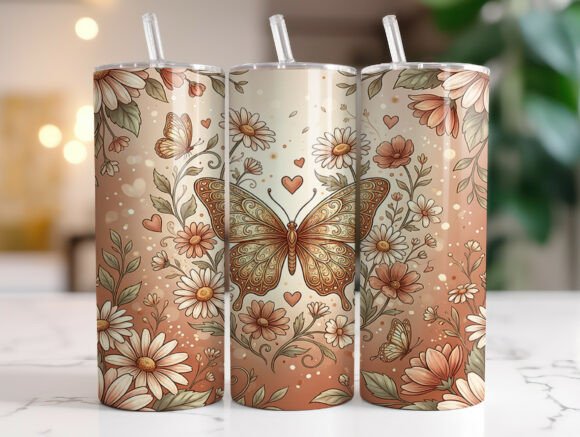
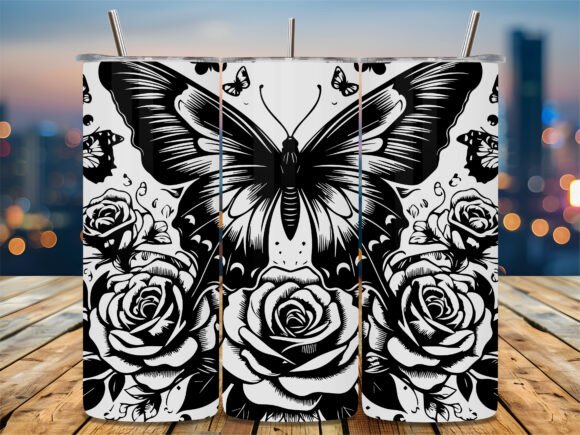
The visual personality of this design is undeniably romantic and organic. The interplay between the delicate structure of a butterfly and the lush curves of rose petals creates a mood that feels both vintage and fresh. For an Etsy seller or a boutique owner, this kind of imagery translates immediately into high perceived value. It suggests a handmade product that requires skill and attention to detail, which is exactly what modern consumers are looking for when they bypass big-box stores for something unique.
Translating Laser Precision to Thread
The product description emphasizes "clean engraving lines" and "smooth wraps." In the context of machine embroidery, this tells me the vector paths are likely very clean, which is a good starting point. However, translating a design meant for a laser beam onto a tote bag design or a sweatshirt requires a different mindset. Lasers burn away material; embroidery adds layers. My first concern with any floral and fauna combination is the stitch density. Roses can easily become heavy blobs of thread if the fill stitch isn't managed well, and butterfly wings require finesse to avoid looking like solid blocks of color.
In a real-world scenario, imagine preparing a custom order for a bridal shower. You need a set of matching aprons or kitchen towels. The Butterfly Rose Garden Tumbler motif would be stunning here, but you have to consider how the thread colors will interact with the fabric texture. If you are using a linen tea towel, the open weave might swallow fine details. If you are working on a thick terry cloth, the design needs enough lift to stand out without sinking. This design seems best suited for medium-weight fabrics where the satin stitch outlines can pop against a smooth background.
Ideal Applications for Small Business Owners
For small shop product lines, versatility is key. I can see this embroidery project thriving in several specific niches. First, baby embroidery is a massive market. A soft pastel version of this design on a muslin swaddle blanket or a nursery pillow cover would be a bestseller. The gentle curves of the roses and the whimsical nature of the butterfly fit the nursery aesthetic perfectly.
Secondly, consider custom apparel. A left-chest placement on a structured denim jacket or a canvas tote bag allows the design to breathe. Because the original concept is a "tumbler wrap," the layout is likely horizontal or flowing, which works exceptionally well for sleeve placements or across the hem of a hoodie. For holiday embroidery, swapping the thread palette to deep reds and greens could turn this into a sophisticated spring-to-summer transition piece that sells well from Easter through Mother's Day.
If you are a craft business owner selling design assets, this file offers great potential for printable mockup creation. Even before stitching, the visual appeal is strong enough to create compelling social media content that drives engagement. However, remember that your customers will eventually stitch this out, so the technical quality must match the visual promise.
Technical Considerations and Fabric Challenges
While the design is beautiful, there are areas where caution is necessary. Any design featuring intricate floral details and insect wings demands careful attention to hoop size and stabilization. If you attempt to stitch this on a stretchy fabric like a tri-blend t-shirt without a proper cut-away stabilizer, you risk distortion. The "garden" aspect implies multiple elements; if these are not tied together well in the digitizing, they can shift independently during washing.
Dark fabrics present another hurdle. The original laser concept relies on contrast created by removal of material. In embroidery, we rely on thread coverage. If you stitch this on black navy or charcoal, ensure your embroidery file includes adequate underlay stitches. Without them, the fabric grain will show through the rose petals, ruining the professional finish. Similarly, tiny details in the butterfly's antennae or the rose thorns might get lost if the running stitch is too short or the thread weight is too heavy.
Curved surfaces are also tricky. While the source mentions tumblers, if you adapt this for a cap, the curvature of the front panel can compress the design. What looks proportional flat on the screen might look squashed on a structured hat. I always recommend running a test on a scrap piece of the actual garment material, hooped exactly as you intend to run the final job.
Enhancing Brand Value and Customer Trust
The ultimate goal of using a design like Butterfly Rose Garden Tumbler is to elevate your brand. A crisp, well-executed embroidered patch or direct-to-garment stitch signals quality. When a customer receives a personalized gift with clear definition and no puckering, their trust in your finished product skyrockets. This leads to repeat business and positive reviews, which are the lifeblood of an Etsy seller.
Visual appeal drives the initial click, but stitching clarity drives the sale. If the transition between the butterfly wing and the rose petal is muddy, it looks amateurish. If the edges are sharp and the color blending is smooth, it looks like a high-end boutique item. This design has the potential to be the latter, provided the operator respects the limitations of the machine and the fabric.
Practical Notes for the Embroiderer
Before committing to a production run, here is my checklist for this specific design:
- Test on Scrap: Always stitch a sample on the exact fabric type you plan to sell. Check for registration issues between color stops.
- Check Contrast: View the design in black and white on your screen. If the details disappear in grayscale, they might get lost in low-light conditions or on busy fabrics.
- Review Density: Look closely at the rose centers. Are they too dense? High density can cause needle heat and thread breakage, especially with rayon or polyester threads.
- Confirm Licensing: Since this is a commercial asset, double-check the license terms. Can you sell the physical stitched item? Can you resell the digital file? Never assume.
- Stabilizer Choice: For lightweight fabrics, use a mesh cut-away. For towels, a water-soluble topper might be needed to prevent the stitches from sinking into the pile.
- Thread Selection: Consider using variegated threads for the roses to add depth without increasing stitch count, mimicking the natural gradient of a flower.
In conclusion, the Butterfly Rose Garden Tumbler is a versatile and visually striking option for designers willing to put in the prep work. It bridges the gap between digital precision and handmade charm. Whether you are creating a one-off embroidered patch for a friend or launching a new line of sweatshirt embroidery for your online store, this design offers a solid foundation. Just remember that the file is only half the equation; your choice of materials, stabilization, and machine settings will determine whether the final result is merely good or truly exceptional.