Bee Sunflower Wrap: A Designer's Review
As a designer who spends more time staring at stitch maps than most people spend on their phones, I approach every new digital embroidery file with a mix of excitement and skepticism. We've all been there: you buy a gorgeous graphic, only to realize it turns into a bird's nest of thread once it hits the fabric. Today, I'm taking a close look at the Bee Sunflower Tumbler Wrap PNG 20oz. Now, before you stop reading because this is listed under Tumbler Wraps and Graphics rather than traditional vector embroidery formats, hear me out. There is a massive crossover in our industry between sublimation graphics and embroidered applications, especially for those of us running a craft business or an Etsy seller shop looking to diversify.
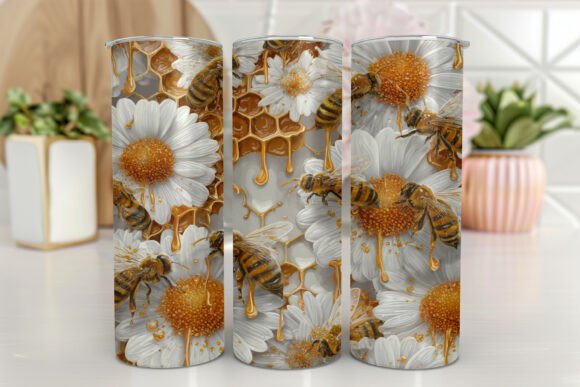
The first thing that strikes me about the Bee Sunflower Tumbler Wrap PNG 20oz is its composition. At 9.3″ x 8.2″ and 300 DPI, the resolution is crisp. For an embroidery designer, high resolution in a source image is critical if you plan to use auto-digitizing software or manually trace the design to create a machine embroidery design. The theme—a cheerful bee interacting with a sunflower—exudes a warm, rustic mood. It feels inherently "handmade," which is exactly the vibe customers are chasing right now for personalized gifts and boutique items. The layout is balanced, with enough negative space to prevent the design from feeling cluttered, a common pitfall in many stock graphics.
Translating Graphics into Stitched Reality
Let's talk about a real-world scenario. Imagine you are preparing a custom order for a local farmer's market or a fall festival. You have a line of canvas tote bag designs ready to go. While the original product listing specifies this as a wrap for a 20oz straight skinny tumbler, the aesthetic translates beautifully to flat surfaces. If I were to digitize this Bee Sunflower Tumbler Wrap PNG 20oz for a tote bag, I would immediately think about how the sunflower petals would render. Would they be best as a fill stitch to capture that gradient depth, or perhaps a textured satin stitch for a more defined, raised look? The bee element offers a fantastic opportunity for an applique design approach, using yellow felt or fabric to give it dimension against the canvas.
For sweatshirt embroidery, this design shines. The warmth of the sunflower pairs perfectly with heather grey or oatmeal-colored fleece. However, we must consider the scale. The original dimensions are nearly 9 inches tall. On a standard adult sweatshirt, this is a substantial chest piece or a full-back design. For baby embroidery, you would need to scale this down significantly. This is where checking the details becomes vital. When shrinking a design with fine details like the bee's wings or the center of the sunflower, you risk losing definition. A professional tip: always test your scaled-down version on scrap fabric first to ensure the stitch density doesn't become too tight, causing puckering.
Material Considerations and Technical Challenges
Working with a design derived from a PNG meant for sublimation requires extra attention when moving to thread. Unlike ink, thread has physical volume. If you attempt to stitch this onto a stretchy fabric like a thin t-shirt without proper stabilization, the result will be disappointing. The stabilizer choice is non-negotiable here. For a design of this complexity, a cut-away stabilizer is likely your best friend to maintain shape after washing. If you are aiming for a holiday embroidery project, say, a kitchen towel for Thanksgiving, the fabric texture of the towel itself can interfere with small details. The loops of a waffle weave might swallow up the finer running stitch outlines of the bee.
Curved surfaces present another hurdle. While the source file is optimized for a straight tumbler, applying this as an embroidered patch to a curved cap requires careful hooping and potentially splitting the design. The dense areas of the sunflower center could cause the cap brim to warp if the tension isn't dialed in perfectly. Furthermore, dark fabrics pose a color contrast challenge. The yellow in the sunflower is vibrant, but if your thread colors aren't high-quality rayon or polyester with good sheen, the design might look muddy on navy or black backgrounds. I always recommend creating a black-and-white mockup of your digitized version to check the value contrast before committing to the hoop.
Commercial Viability and Brand Consistency
For small shop products and commercial embroidery ventures, consistency is key. Using the Bee Sunflower Tumbler Wrap PNG 20oz across different product lines—from aprons to pillow covers—can help build a cohesive brand identity. Customers recognize patterns and themes. If you sell a sublimated tumbler with this graphic and an embroidered tote with the stitched version, you create a powerful upsell opportunity. It tells the customer that you offer a complete lifestyle package, not just a single item.
However, a word of caution regarding licensing. The product description notes that the listing is for digital files only and comes in a .zip archive. It does not explicitly state the commercial license terms for converting this graphic into an embroidery file for resale. As a responsible creative entrepreneur, you must verify whether the creator allows derivative works. Some artists permit selling finished physical goods (like an embroidered shirt) but prohibit selling the digitized file itself. Always clarify this to protect your craft business from legal headaches.
Final Verdict on Practical Application
In terms of visual appeal, the Bee Sunflower Tumbler Wrap PNG 20oz scores high marks. It has a friendly, inviting personality that resonates well with current trends in home decor and personal fashion. The level of detail suggests a premium finished product, provided the digitization is handled with care. It avoids the trap of being too generic; the specific interaction between the bee and the flower gives it character.
If you are an apparel decorator or a hobbyist looking to expand your library, this asset is a strong candidate for adaptation. Just remember that a high-res PNG is a starting point, not the final stitch file. You will need to invest time in selecting the right hoop size, testing on various fabric textures, and refining the stitch types to ensure the embroidered patch or direct stitch holds up to frequent washing. Whether it ends up on a nursery blanket, a teacher's mug cozy (if scaled down), or a boutique apron, the potential for creating a memorable handmade product is undeniable. Just keep your expectations realistic regarding the conversion process, and you'll have a winner on your hands.